
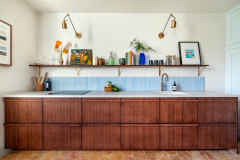
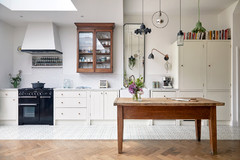
How to Design an Open-plan Kitchen Layout
A kitchen/diner/living space is extremely sociable and can work in spaces large and small. Check out this expert advice

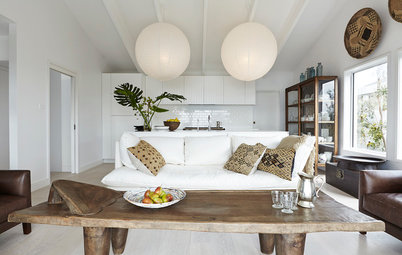
Open-plan kitchens – a single space in which you can cook, eat, relax and socialise – are enduringly popular. They allow family and friends to be together, with no single person isolated in the kitchen, and make good use of the available footprint, reducing the need for circulation space between rooms.
However, the kitchen’s highly visible position within what often becomes the hub of the home means they do require careful planning and there are multiple factors to consider: zoning areas, making the space social, flow and aesthetics. As part of our Kitchen Planning guide, we asked three experts for design advice.
Professional advice from: Alan Drumm of Uncommon Projects; Zoe Holland of Sustainable Kitchens; Anthony Earle of Artichoke
Beginning your kitchen project? Read How to Start a Kitchen Renovation
However, the kitchen’s highly visible position within what often becomes the hub of the home means they do require careful planning and there are multiple factors to consider: zoning areas, making the space social, flow and aesthetics. As part of our Kitchen Planning guide, we asked three experts for design advice.
Professional advice from: Alan Drumm of Uncommon Projects; Zoe Holland of Sustainable Kitchens; Anthony Earle of Artichoke
Beginning your kitchen project? Read How to Start a Kitchen Renovation
When it comes to functionality and work flow, what should you consider?
Practical considerations should dictate the layout of your open-plan kitchen, with appliances carefully positioned according to some basic rules.
“It’s really important to arrange your sink, bins and dishwasher next to each other,” Alan Drumm says. “When the dishwasher door is open, make sure it doesn’t impact too much on circulation around the rest of the kitchen. Position the hob not too far from the sink, and the fridge should be located between the main cooking area and the dining table. Ideally, there should be a preparation area between the sink and the hob.”
Practical considerations should dictate the layout of your open-plan kitchen, with appliances carefully positioned according to some basic rules.
“It’s really important to arrange your sink, bins and dishwasher next to each other,” Alan Drumm says. “When the dishwasher door is open, make sure it doesn’t impact too much on circulation around the rest of the kitchen. Position the hob not too far from the sink, and the fridge should be located between the main cooking area and the dining table. Ideally, there should be a preparation area between the sink and the hob.”
Alongside functionality, factor in your own instinctive preferences when planning the layout. “Some cooks want to face the action when they’re cooking; others prefer to face away, so they can overhear what’s going on in the rest of the room, but don’t necessarily [have to] engage,” Anthony Earle says.
Many people like to have the hob on the kitchen island, too. “A hob in the island can open up the room completely, with food prep zones either side,” Zoe says. “That way, you can supervise the kids while cooking dinner.”
Find a kitchen designer near you today.
Many people like to have the hob on the kitchen island, too. “A hob in the island can open up the room completely, with food prep zones either side,” Zoe says. “That way, you can supervise the kids while cooking dinner.”
Find a kitchen designer near you today.
How can you design the kitchen so it sits harmoniously within the whole room?
The best open-plan kitchen spaces have a consistent flow rather than moving from one style to the next between the dining area and the kitchen. “You can use colour to tie the space together by picking out the main shade used in the kitchen on artwork and accessories in the living area,” Zoe suggests.
“Try to create a sense of continuity between the materials throughout the whole room,” Alan says. “Sometimes this is as simple as using one particular type of timber finish, or it could be more complex, such as using terrazzo on the floor in one area and as a worktop finish in the kitchen.”
Keep in mind the style of the room, too. In a contemporary, minimal space, for instance, the cabinets will look very different to those designed for a country cottage. “You wouldn’t want a farmhouse-style kitchen sitting within sleek, contemporary furniture, so decide a style and stick with it,” Zoe says.
More: Open-plan Kitchen Designs That Blend in With the Living Space
The best open-plan kitchen spaces have a consistent flow rather than moving from one style to the next between the dining area and the kitchen. “You can use colour to tie the space together by picking out the main shade used in the kitchen on artwork and accessories in the living area,” Zoe suggests.
“Try to create a sense of continuity between the materials throughout the whole room,” Alan says. “Sometimes this is as simple as using one particular type of timber finish, or it could be more complex, such as using terrazzo on the floor in one area and as a worktop finish in the kitchen.”
Keep in mind the style of the room, too. In a contemporary, minimal space, for instance, the cabinets will look very different to those designed for a country cottage. “You wouldn’t want a farmhouse-style kitchen sitting within sleek, contemporary furniture, so decide a style and stick with it,” Zoe says.
More: Open-plan Kitchen Designs That Blend in With the Living Space
“Providing seating between the cooking area and the living or dining area is a nice way to stitch the two spaces together,” Anthony says. “It creates a designated area for the non-cooks to be without getting in the way, and allows for flexible interaction, which is often at the heart of a brief for an open-plan kitchen.”
Choose your appliances with care, too. “Fully integrated appliances are much more discreet, making the space feel less ‘kitcheney’,” Anthony adds, “while large, American-style fridge-freezers, for example, can be difficult to incorporate.”
Choose your appliances with care, too. “Fully integrated appliances are much more discreet, making the space feel less ‘kitcheney’,” Anthony adds, “while large, American-style fridge-freezers, for example, can be difficult to incorporate.”
Consider working in furniture that doesn’t scream kitchen. “We use pieces designed to reflect the period of the house while discreetly accommodating kitchen functions,” Anthony says. “We might introduce a dresser into a breakfast area, providing easy access to a dairy fridge and hot-water tap without shouting coffee station.”
A cook’s table is another good example of a traditional piece of furniture that fulfils the practical requirements of a modern kitchen, but also adds elegance.
A cook’s table is another good example of a traditional piece of furniture that fulfils the practical requirements of a modern kitchen, but also adds elegance.
Any safety considerations?
An open-plan kitchen sits within a space that has many functions and is used by everyone in the household, so it’s crucial to think about safety in such a busy area. “We always plan the kitchen so the cook feels protected,” Anthony says. That means designing the space so there’s no need to circulate past the person cooking.
Don’t site the oven on the other side of a major route through the house. “You don’t want to bump into a child running through when you’re lifting something hot and heavy from the oven,” Alan says.
If children share the space, think about child-proofing the hob, too, particularly if it’s on an island rather than against a wall. “If you have a very narrow island with a hob, consider having a lip on the back edge of the worktop to avoid the possibility of a child pulling a pan off,” Alan adds.
“Knives and sharp objects should be given a safe place out of the way, perhaps in a drawer,” Zoe says. “You don’t want to restrict solo play time in the living area just because the kitchen is there, too, so making it safe is key.”
An open-plan kitchen sits within a space that has many functions and is used by everyone in the household, so it’s crucial to think about safety in such a busy area. “We always plan the kitchen so the cook feels protected,” Anthony says. That means designing the space so there’s no need to circulate past the person cooking.
Don’t site the oven on the other side of a major route through the house. “You don’t want to bump into a child running through when you’re lifting something hot and heavy from the oven,” Alan says.
If children share the space, think about child-proofing the hob, too, particularly if it’s on an island rather than against a wall. “If you have a very narrow island with a hob, consider having a lip on the back edge of the worktop to avoid the possibility of a child pulling a pan off,” Alan adds.
“Knives and sharp objects should be given a safe place out of the way, perhaps in a drawer,” Zoe says. “You don’t want to restrict solo play time in the living area just because the kitchen is there, too, so making it safe is key.”
What’s the best way to prevent the mess and clutter of cooking impacting the entire space?
Well-designed storage is crucial, our experts agree. “Most kitchens benefit from a range of drawers of different sizes, and shallow cupboards with adjustable shelves,” Alan says.
If you have space, a double larder always helps. “Not only are they a beautiful thing to look at if you’re sitting in the lounge or dining area, they also provide ample storage space for dry foods, tins and jars,” Zoe says. “They’re even big enough to accommodate small appliances, such as a microwave, so you can keep those out of sight, too.”
Well-designed storage is crucial, our experts agree. “Most kitchens benefit from a range of drawers of different sizes, and shallow cupboards with adjustable shelves,” Alan says.
If you have space, a double larder always helps. “Not only are they a beautiful thing to look at if you’re sitting in the lounge or dining area, they also provide ample storage space for dry foods, tins and jars,” Zoe says. “They’re even big enough to accommodate small appliances, such as a microwave, so you can keep those out of sight, too.”
Anthony recommends having a change of level on the island worktop. “Mess can be hidden from view – a higher countertop facing the living area provides a comfortable bar at the same time as hiding the paraphernalia of cooking behind it,” he says.
Take care over where you position the sink, too, as this is normally the messiest part of any kitchen. “If you’re tidy and dirty pots don’t exist in your household, then having a sink in the island might work,” Zoe says, “but otherwise you’ll end up with mucky dishes in view, which is a big no-no in an open-plan kitchen.”
Alan agrees. “We always try to avoid putting the sink on an island, where it would become a focus,” he says. “Think about what you notice when you enter the room. It’s preferable to see the hob first.”
Alan agrees. “We always try to avoid putting the sink on an island, where it would become a focus,” he says. “Think about what you notice when you enter the room. It’s preferable to see the hob first.”
Open storage versus concealed – what works best?
Again, this comes down to personal preference and your own capacity for tidiness – or tolerance of untidiness! “Some people are very tidy and prefer to keep everything on display. Others prefer everything to be out of sight,” Alan says.
Bear in mind that closed cupboards are great for hiding kit away, but can create a rather uniform, functional feel, which may not marry with the rest of the space. “I always try to incorporate some open shelving, especially for books, as it gives the kitchen a more casual, easy-to-live-in feel,” Alan says. “We use a lot of sliding doors in our work. These can be left open when you’re working in the kitchen and then closed when tidying up at the end of the day – the best of both worlds.”
More: Wall Units, Shelves or Nothing: Which is Best for Your Kitchen?
Again, this comes down to personal preference and your own capacity for tidiness – or tolerance of untidiness! “Some people are very tidy and prefer to keep everything on display. Others prefer everything to be out of sight,” Alan says.
Bear in mind that closed cupboards are great for hiding kit away, but can create a rather uniform, functional feel, which may not marry with the rest of the space. “I always try to incorporate some open shelving, especially for books, as it gives the kitchen a more casual, easy-to-live-in feel,” Alan says. “We use a lot of sliding doors in our work. These can be left open when you’re working in the kitchen and then closed when tidying up at the end of the day – the best of both worlds.”
More: Wall Units, Shelves or Nothing: Which is Best for Your Kitchen?
What can get overlooked when designing an open-plan kitchen?
Cooking smells and mess can easily be forgotten in the planning stage, but should be considered carefully. “It’s really important to invest in a high-quality extractor system,” Alan says.
If the hob is against a wall, you can use a traditional overhead extractor, but hobs with integrated downdraft extraction are also effective. “These really come into their own when the hob is on an island, and mean you don’t need to have an extractor hanging from the ceiling or recessed into it,” Alan says.
Cooking smells and mess can easily be forgotten in the planning stage, but should be considered carefully. “It’s really important to invest in a high-quality extractor system,” Alan says.
If the hob is against a wall, you can use a traditional overhead extractor, but hobs with integrated downdraft extraction are also effective. “These really come into their own when the hob is on an island, and mean you don’t need to have an extractor hanging from the ceiling or recessed into it,” Alan says.
Is it important to consider noise from appliances?
Noise is a factor worth thinking about, but in a typical multi-use space, there’s normally enough background hubbub to block out most appliance sounds. “The exception is the extractor fan,” Alan says. “Always check the noise rating (and the air flow rating) before purchasing, because they can be very noisy. If the fan is quiet, it’s more likely you’ll use it.”
Tell us…
Do you have an open-plan kitchen? What works best about it? What might you change? Share your thoughts in the Comments.
Noise is a factor worth thinking about, but in a typical multi-use space, there’s normally enough background hubbub to block out most appliance sounds. “The exception is the extractor fan,” Alan says. “Always check the noise rating (and the air flow rating) before purchasing, because they can be very noisy. If the fan is quiet, it’s more likely you’ll use it.”
Tell us…
Do you have an open-plan kitchen? What works best about it? What might you change? Share your thoughts in the Comments.

Sponsored
Reload the page to not see this specific ad anymore
If the kitchen will belong in a room that also contains living and dining areas, it’s essential to work out how much space you need for each.
“Firstly, think about how big your sofa is and the overall lounge area; you can zone this with rugs,” Zoe Holland says. “Secondly, you’ll need the dining space closer to the kitchen than the lounge, so you won’t be carrying food through the living area to get to the dining table.”